
Google ‘ s application ecosystem covers individual applications ranging from workstream core Gmail to YouTube, photos, etc. Now Google is connecting Gemini’s artificial intelligence to the entire ecosystem of the user to provide more customized help. Google called it “Personal Intelligence”, which was officially launched on Wednesday.
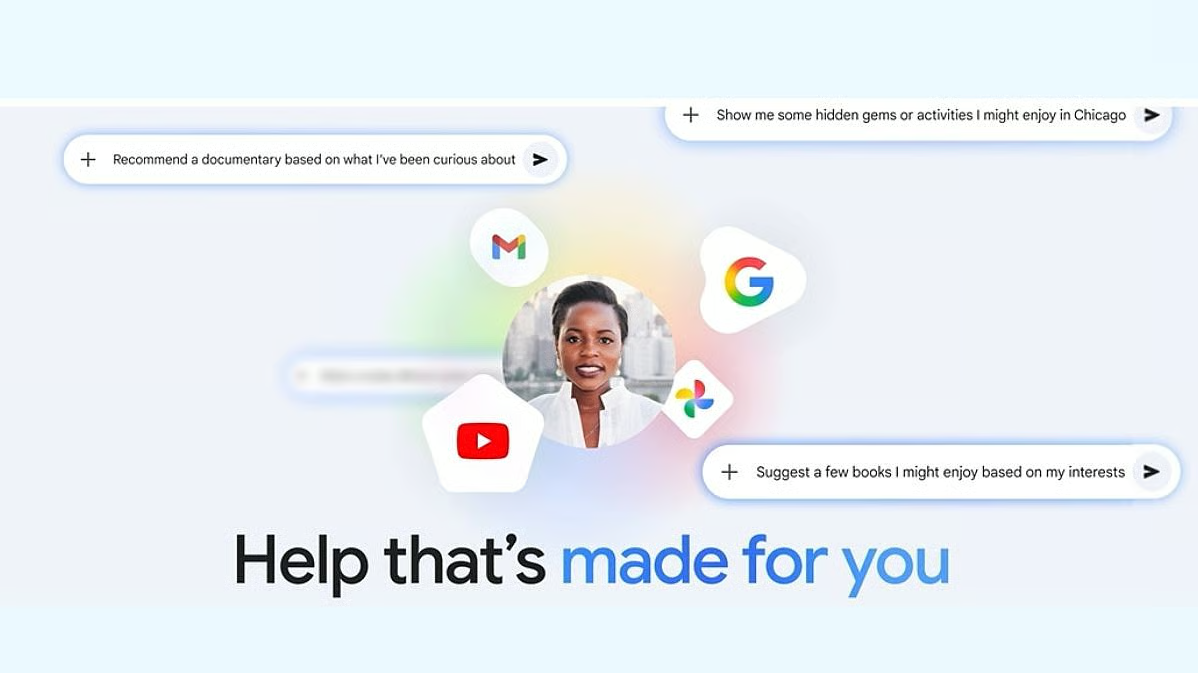
Through Gemini 3, “personal intelligence” can provide forward-looking insight by using cross-application reasoning and contextualization. Although Gemini has been able to quote information from user applications, “personal intelligence” aims to extract more accurate responses from these data. Initially, the experience will link Gmail, photos, YouTube and the search engine. In short, the function increases Gemini ‘ s ability to reason by making more user data available, as well as a more accurate understanding of the real needs of users to ask questions. It’s not a new interface, more like an upgrade run from backstage. This is similar to the location of Apple Intelligence: an assistant who keeps watching and collects information from mobile phone activities to better respond. Google provides examples of how personal intelligence can be operational, e.g. extracting specific details from your e-mail or photo library that can help to answer questions, or linking an e-mail thread to a video viewed on YouTube.
Gemini will mark the source of information and will not use user data to individualize each answer; rather, it will work only when it is helpful and connected. Google added that the functionality was designed to avoid making proactive assumptions about sensitive data, such as user health information. By clicking on the ” Try Again ” button, users can decide not to allow Gemini to individualize some of the answers; if they are not satisfied with the results, risk feedback will help improve the experience. In a blog post, Josh Woodward, Vice President of Google Gemini Applications, Google Laboratories and AI Studio, noted that, while the company tried to minimize errors in the “personal intelligence” test, there was a risk of inaccurate answers or “excessive personalization” (models linking two unrelated themes). In these cases, the collection of user feedback is particularly important, in addition to the fact that it makes the wrong assumption, for example, that an unrelated picture in the library is mistakenly considered to be related to the user. Users can correct this through dialogue and a simple clarification statement. With regard to the privacy concerns of users, Google notes that the “personal intelligence” is by default closed to give users full control over whether to connect to the application.
Google also indicated that Gemini would not conduct training directly based on the user ‘ s Gmail inbox or photo library. The company clarified that it conducted training only on the basis of limited information. For example, specific tips and model responses in Gemini are not derived from user applications. Google explains: “We do not train the system to copy user information, we aim to make it understand users’ claims.” Currently, “personal intelligence” is available to fee-paying subscribers only in the form of a test version, including Google AI Pro and AI Ultra; however, Google plans to extend this feature to a free level in the future. It is expected that all eligible users will be covered by the end of the week.
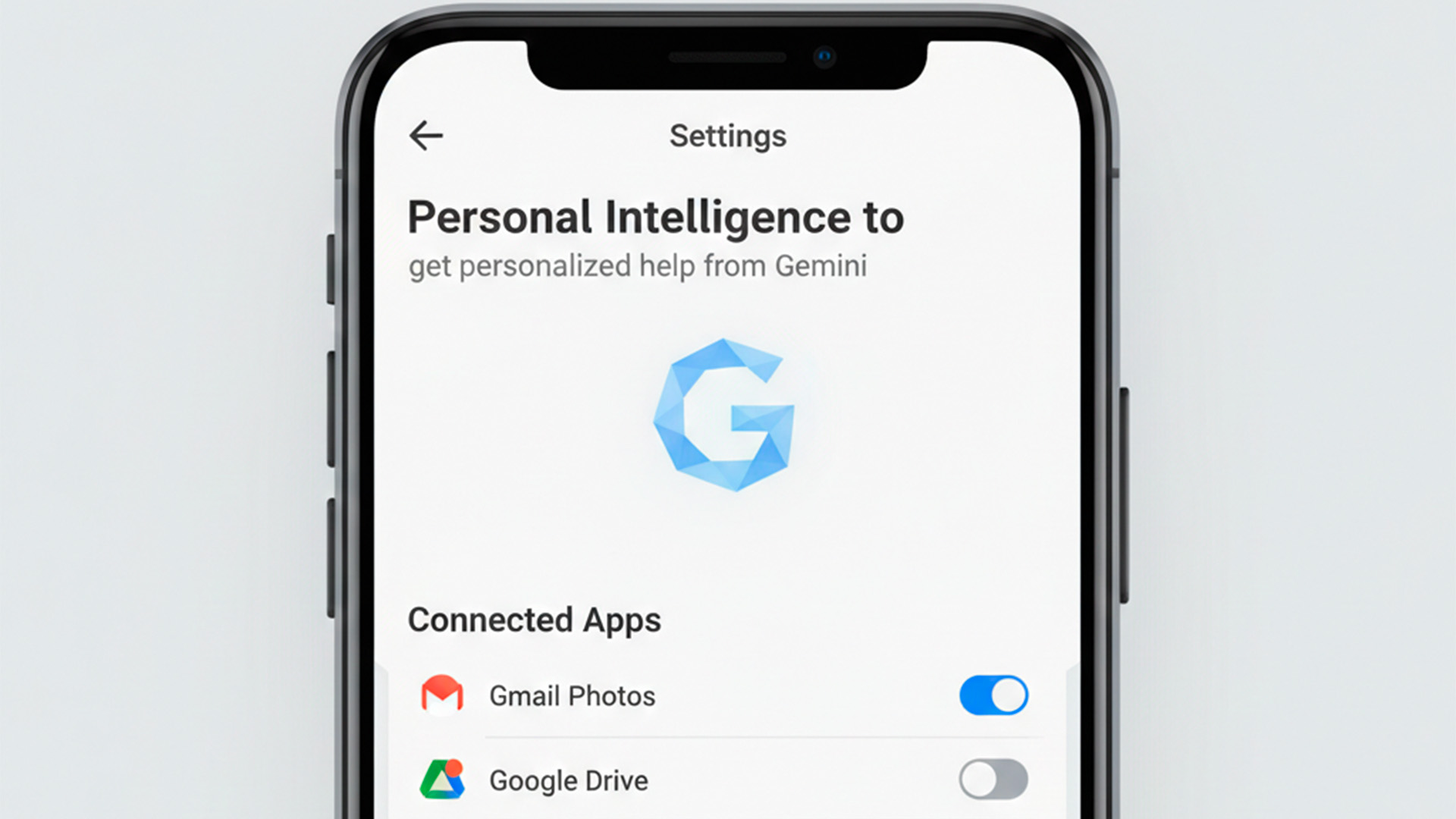
Once enabled, “personal intelligence” can be run on the network, Android and iOS platforms and compatible with any available model in the Gemini model selection. To open this function, please open Gemini, click Settings, then select Personal Intelligence, and select Connected Applications. This function currently applies only to individual Google accounts and not to workspace, business or education plan accounts. Soon, it will also be launched in search of AI mode.