
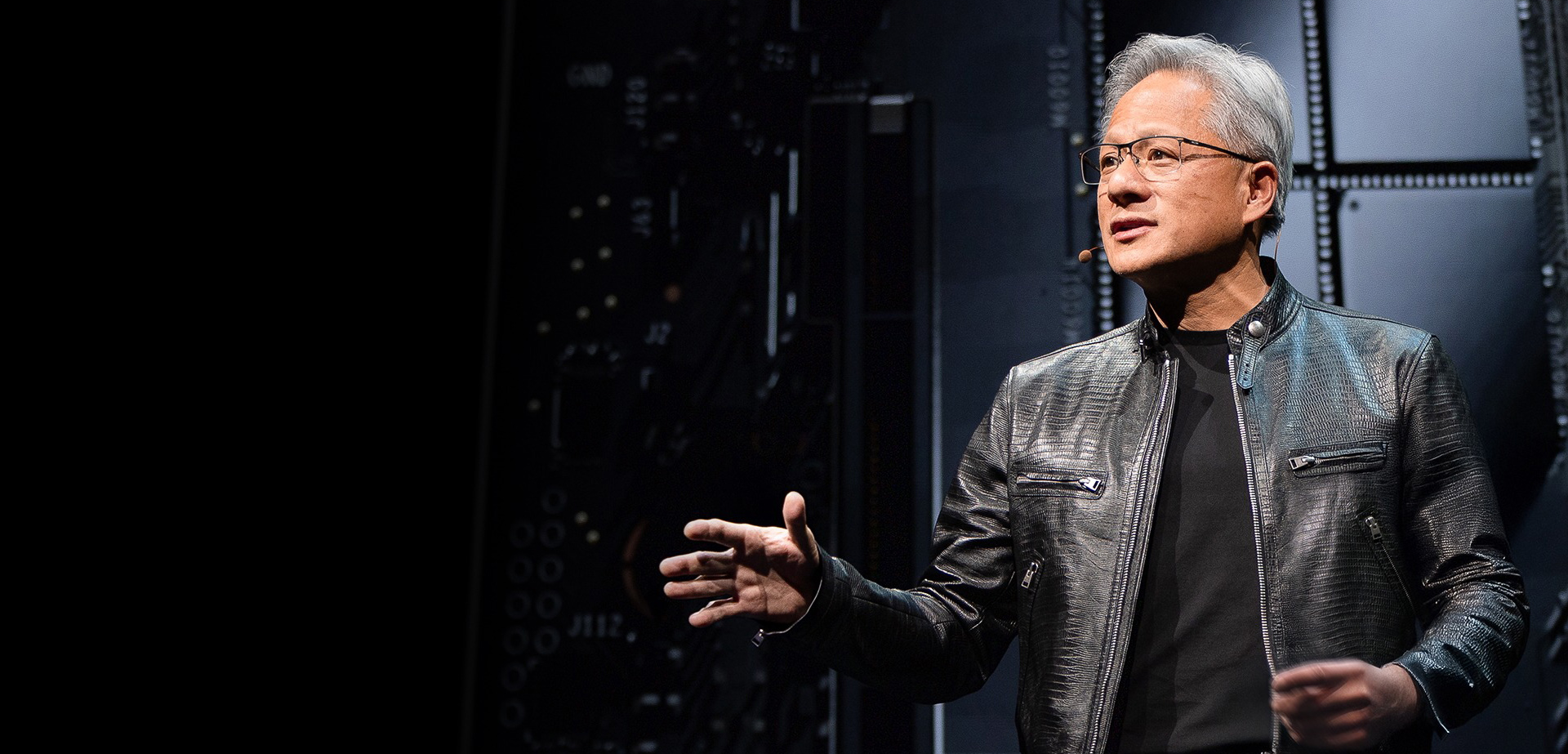
In his speech at the GTC Paris Summit (Viva Tech), Hwang In-hoon, Chief Executive Officer of NVIDIA, predicts that the global market for artificial intelligence infrastructure will reach an alarming scale of $1 trillion (about $7.1 trillion RMB) by 2035. This valuation, which covers data centres, AI chips, cloud services and associated software ecology, is well above the total value of the current global technology market (approximately $10 trillion).
Wong In-hoon noted that the global AI market had reached $200 billion in 2024 and was expected to exceed $2 trillion in 2030 and $1 trillion in 2035. In the 2024 fiscal year, Britain earned $96 billion, with 80 per cent of AI-related business, of which H100 and Blackwell GPU are in high demand and short supply.
The next phase of the focus of Britain will be on the construction of the AI infrastructure, which will be a strategic issue to which Governments attach high priority, as will basic livelihood projects such as electricity and water. “The growth of AI infrastructure will be driven by demand such as generating AI, industrial digitization and auto-driving, and the GPU chip and AI plant in Weida will become the core pillar.”
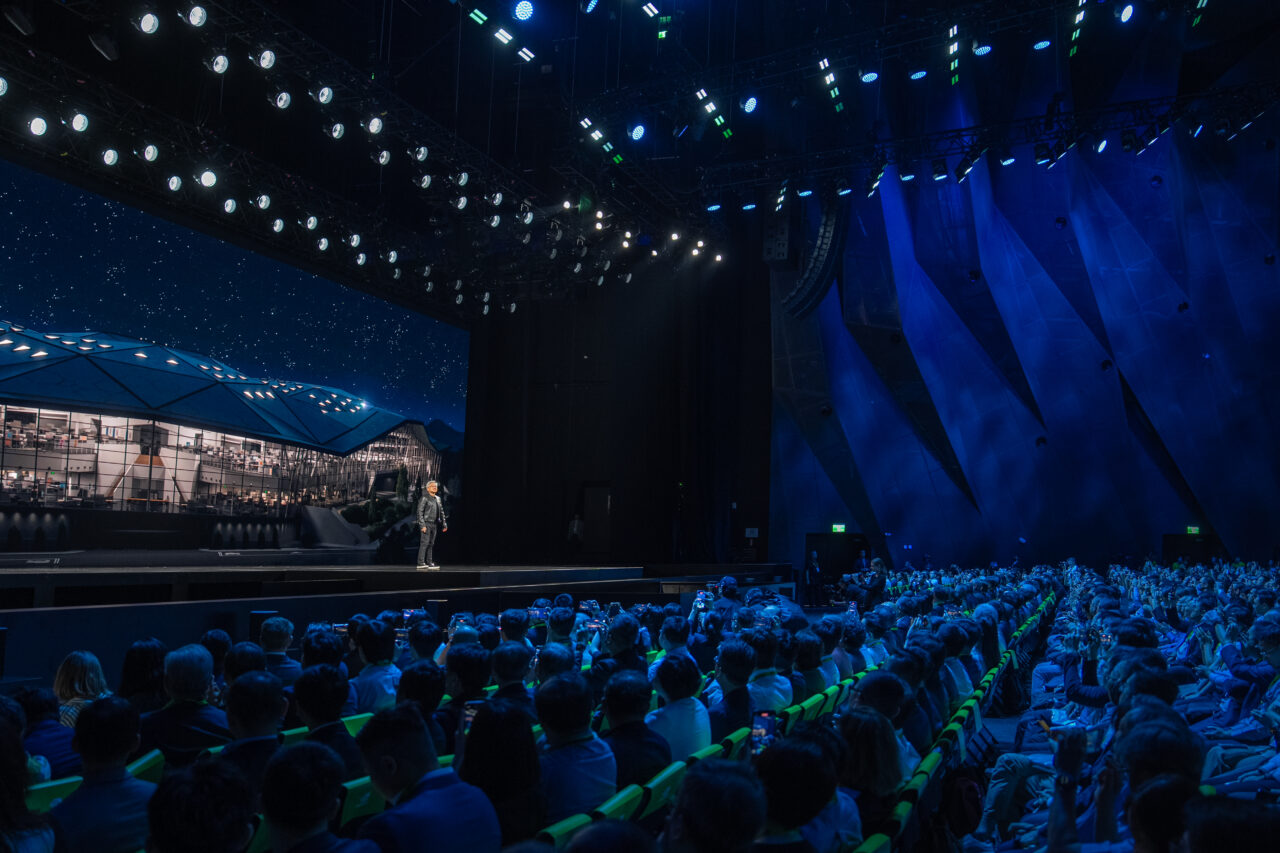
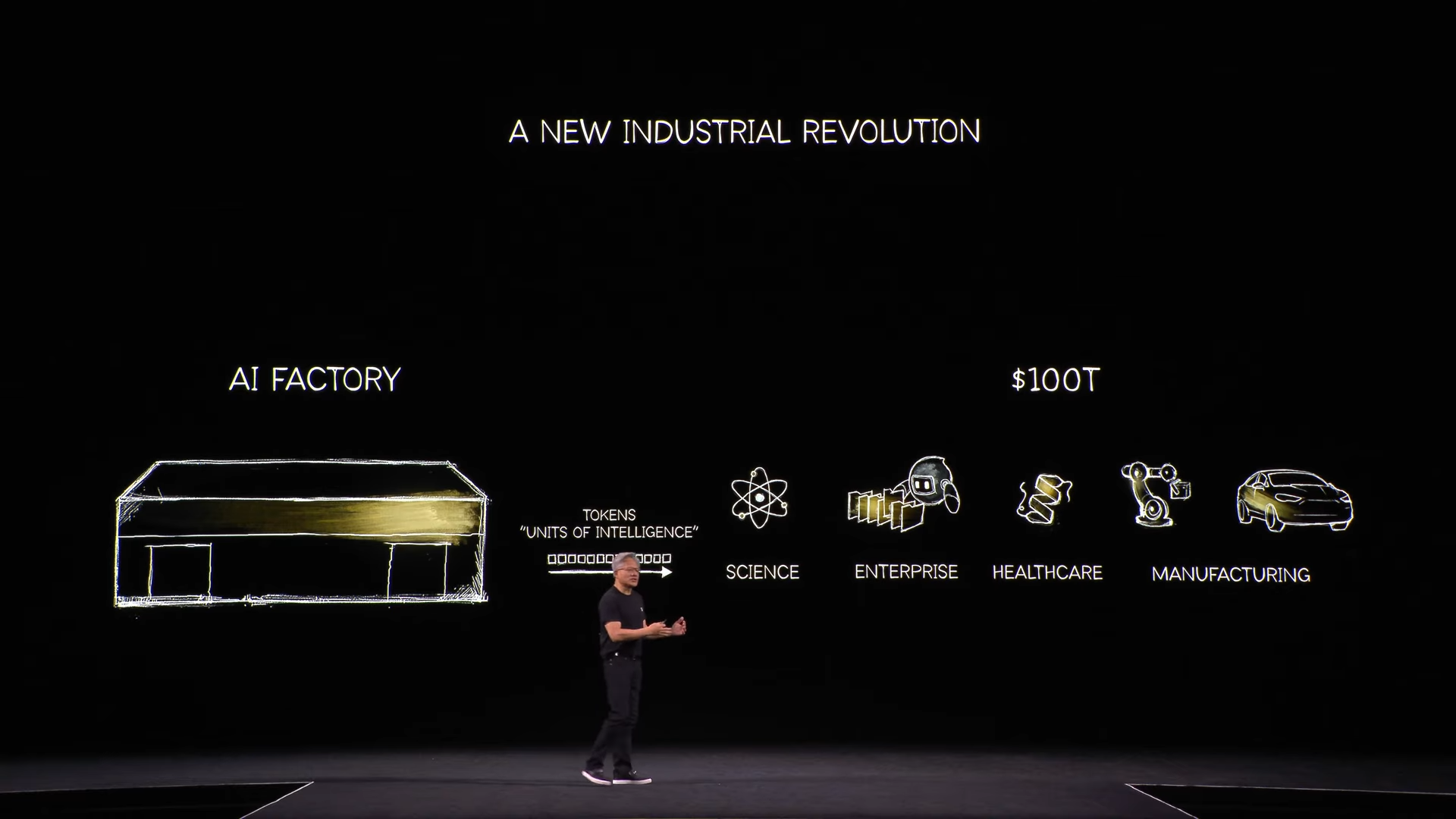
NVIDIA also revealed the prospect of creating an “AI factory” for government-supported institutions. Hoang In-hoon stressed that although large-scale computing clusters were also used, there was a substantive difference between the AI plant and the traditional data centre. The AI plant will be productive and generate benefits for the economy, and its output will be measured by the number of tokens generated, which Governments will compete for by deploying NVIDIA high-performance, scalable hardware.
If Huang In-hoon predicts that the valuation of the AI infrastructure market will gradually climb to about $1 trillion, which is close to 30 times the current market value of NVIDIA. This area will then trigger the next industrial revolution, making AI a central component of human life. Of course, the AI infrastructure will include multiple elements such as human-shaped robots and autonomous machines. Although the estimate of $1 trillion seemed optimistic, it clearly showed the enormous potential of NVIDIA for the future.
Considering that NVIDIA has shifted its focus to “sovereign AI” and that Huang In-hoon recently signed billions of dollars in agreements in the Middle East and the European Union to promote government participation in the AI competition, the construction of AI infrastructure has already begun. The prospects for NVIDIA ‘ s revenues have been expanding and the future is full of observations.