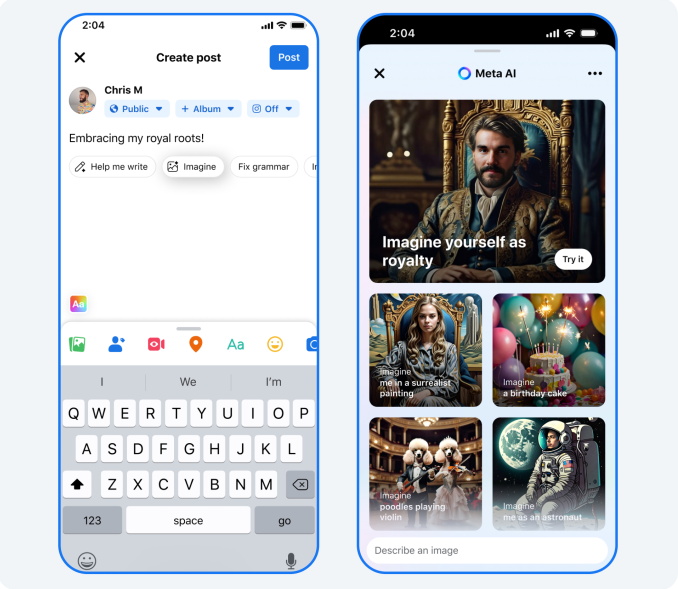
Meta recently introduced an optional AI feature to Facebook users in the United States and Canada, claiming to be able to optimize photo videos from user albums as “more worth sharing”. This feature is unique in that it is analysed in a local photo album of a mobile phone and not in a media file uploaded to the platform. If the user chooses to enable it, Meta ‘ s AI will scan the device album, upload unpublished content to the company ‘ s cloud server and excavate from it the “hidden treasure in the screenshot, receipt and hand-shot ” . Users can save or share AI-recommended editorial works and collages.

This is not the first time that the functionality of the unpublished photo of the requested visit has appeared — a preliminary test was conducted by Meta in June this year. At that time, the company claimed that private photographs had not been used for AI training, but refused to rule out future possibilities. Now, with the official roll-out of the functionality, it is clear that when users edit or share content using the AI tool, their photographs will be used to improve Meta ‘ s AI system. In an interview with The Verge, Meta spokesman Mary Melquizo clarified: “The album that was uploaded through this function is used only to generate recommendations and not directly to improve AI. It is possible to optimize the AI model only when the user edits the content of such recommendations using the AI tool or publishes the editing results on Facebook.” This means that users need to perform extra operations to trigger AI training, but the company has been granted access to the album on an ongoing basis.
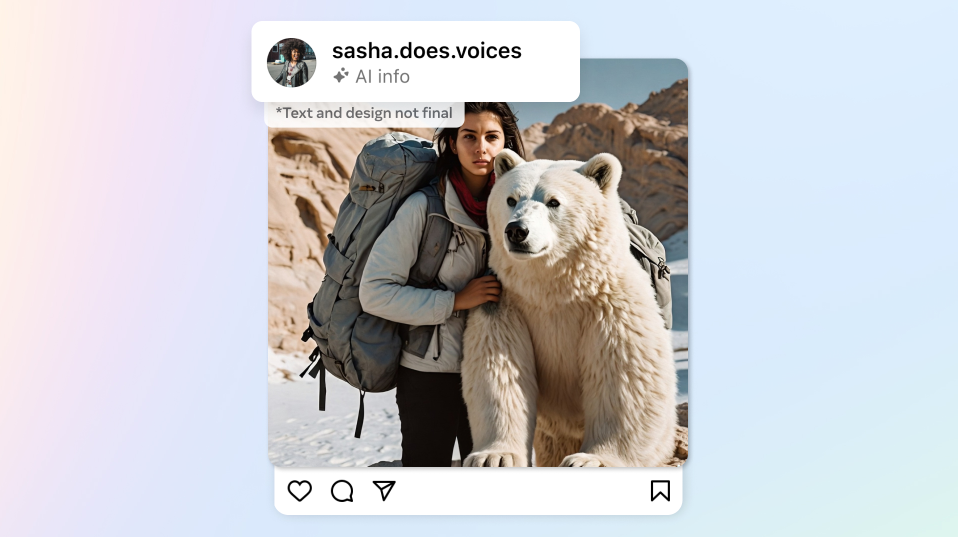
According to the official note, this feature will “continuously select the album contents for upload to the cloud server”. Meta had admitted in June that the relevant data might be retained for more than 30 days, but claimed that they “would not be used for advertising purposes”. It is noteworthy that last year Meta has recognized the use of all public photos and texts published by adult users on Facebook and Instagram since 2007 to train AI models. The current functional interface asks if the user ” allows cloud processing to generate creative inspiration from album content ” , but does not explicitly suggest that it might be used for AI training. The company indicated that the feature was intended to help users who liked to take photographs but wished to optimize images or lacked time to “create content”. This service will be gradually rolled out in the coming months.