

According to Newzoo ‘ s Global Player Study, 83 per cent of the world ‘ s Internet users have played games in the past six months, compared with 76 per cent of women, highlighting the universal participation of women players. However, there are significant differences between female and male players in the way they play, find games and consume them.
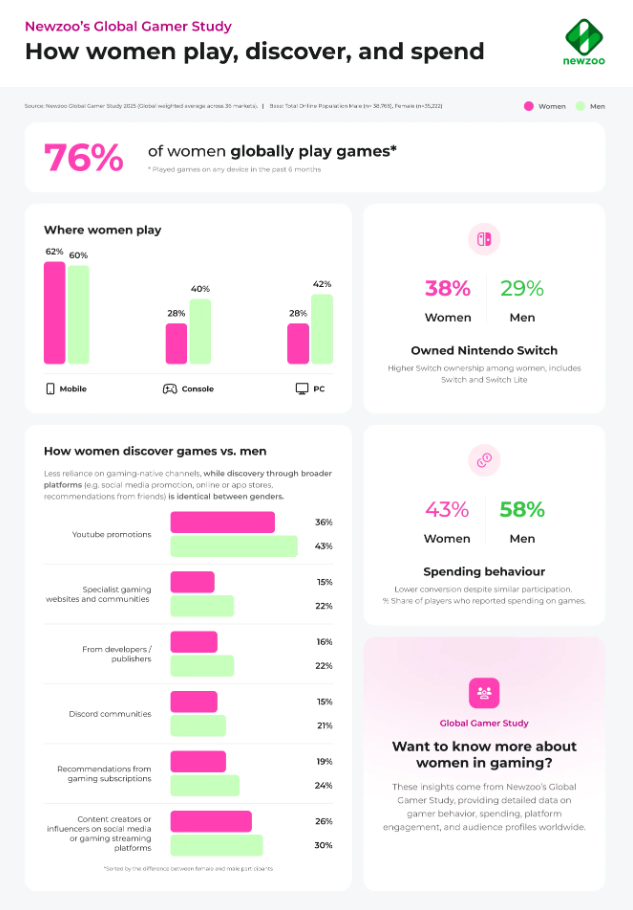
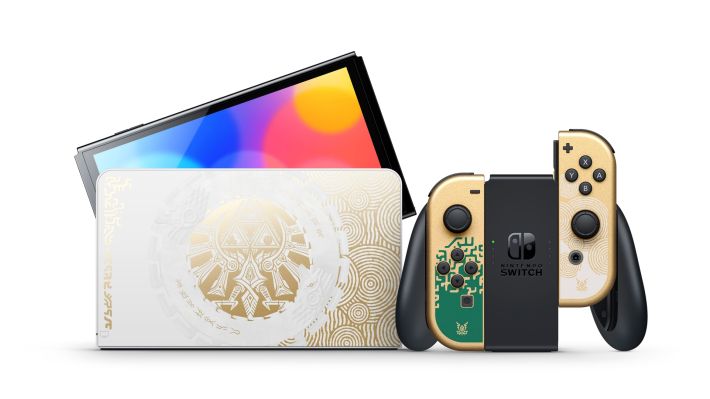
The following analysis is based on Newzoo Global Players Study 2025, which is based on a global weighted average of 36 markets for online populations aged 10-65.Gender differences in Platform participationAlthough participation in games is common among both sexes, the combination of platforms reveals important differences. The participation of the mobile end was almost even (62 per cent for women – 60 per cent for men), highlighting its role as a universal entry point. However, the largest difference is found in PC and mainframe platforms: 28 per cent of female players play on the mainframe compared to 28 per cent of male players and 42 per cent of male players play on the PCThis shows that the sex ratio of players in PC and host ecosystems is still more male-dominated, while female players are relatively more mobile.Although the host is more popular in the men’s home, the female player Switch’s mastership is higher: Thirty-eight per cent of female players indicate that they own Switch or Switch Lite, compared to 29 per cent of men playing at home.
Men and women find different ways to play.
Fewer female players use primary game channels and rank them by gender, including:
Professional game sites and communities (15% vs. 22% males) from game developers/issuers (16% vs. 22%) Discord community (15% vs. 21%) Subscriptions (19% vs. 24%) Social media or content creators on live game platforms (26% vs. 30%)YouTube remains the main source of discovery for both groups, but the use of male players is higher (43 per cent) and that of female players is 36 per cent.By contrast, gender differences are almost the same through a wider platform of discovery: social media promotion (37% vs. 36% for women) online shops or app stores (33% vs. 34%)

Persistent disparities in consumption behaviourConsumer behaviour reveals a persistent liquidity gap. Forty-three per cent of female players indicated that they had spent money on games, compared to 58 per cent for men, and that the difference was consistent on one platform. Taken together, the data show a high level of participation by women players, but they interact with the game ecosystem through different means of discovery, platform preferences and consumption behaviour. As global game audiences continue to diversify, success will increasingly depend on combining distribution, platform strategies and liquidity models with the actual participation of different audiences.